
Blunt Incisal Edges On Your Teeth?
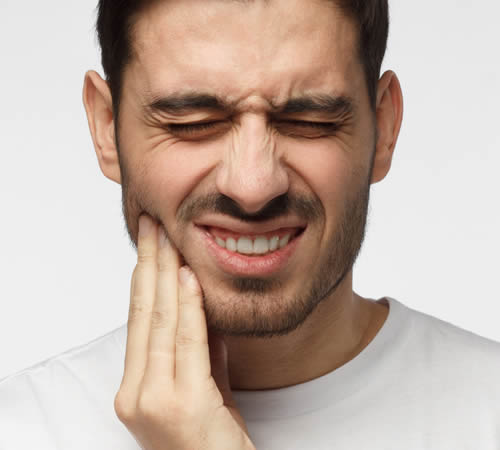
When the cutting edges of our teeth loose their sharpness, eating some foods might prove difficult.
If you run your fingers on the bottom of your top front teeth, these should feel quite sharp. This is because the incisors are predominantly made for the initial cutting of food. Where the surface has become blunt, this can make eating some foods, such as some tougher meats, more difficult due the the decreased ability to bite off sections of it in order to chew. Incisor teeth then, are the first step in digesting our food.
There are a number of possible reasons why the edge of our incisors may not be as sharp as they should be and we will look at that in a moment. We will also take a look at some of the possible solutions that our Wickford dentists can offer to both prevent, and restore teeth affected in this way.
What causes blunt teeth?
Some people’s teeth are naturally sharper than others. This is just down to simple genetics. For most people though, a reasonably sharp edge is usual and sufficient for cutting into the food that they eat.
One of the most common causes of this problem is bruxism, or teeth grinding. This usually takes place at night while we are asleep and is therefore difficult to control. In many cases, it is thought to be brought on by stress and until the levels of stress can be reduced, this may well be an ongoing problem, potentially leading to not only blunt incisor teeth but also breakages too. Eroded tooth enamel can also cause this as the enamel wears away gradually. While this often affects the surface of the tooth, sometimes leading to overly sensitive teeth, it can also affect the edges as well and avoiding acidic drinks such as sodas and sports or energy drinks will help you to avoid this problem.
An incorrect bite, or malocclusion can also do this as the teeth meet each other in a way that causes the tooth to wear down over a period of time. Premature wearing can make eating a balanced diet more difficult as we get older and we may decide to opt for softer foods only in order to get around this.
Preventative measures
There are a number of things that patients should consider to avoid blunting the edges of their teeth. As mentioned earlier, cutting back on the acidic food and drinks that we consume will help to prevent enamel erosion.
Where an incorrect bite is the problem, we recommend that patients of the Cygnet Dental Practice get in touch with us for further investigation. In many cases, the most effective way of correcting and preventing further damage is likely to be through one of the range of orthodontics that we provide. These will straighten and correct the positioning of the teeth and avoid, or at least reduce, this problem. Where bruxism is the issue, reducing stress levels is the best way, long term, to address this, but in the meantime, you might wish to consider wearing a mouthguard while you sleep to prevent the teeth coming together when you grind them and therefore helping to avoid significant damage.
Restoring affected teeth
If your teeth are already blunt and you are finding it increasingly difficult to bite harder foods, there are options available. One of these is the use of dental bonding which can build up the edges again. This is a quick and non-invasive treatment that can be done in a single visit. It may be less durable than other options though and the composite material can become stained faster than the rest of the tooth.
Crowns and veneers
Rather than add to the edges of a worn down tooth using composite bonding, a longer term solution could be to replace the worn part of the tooth with either a crown or porcelain veneers. The choice of these will depend on the location and nature of the damage already caused. In both cases, the worn down part of the tooth will need to be removed and impressions taken. These will be used by a dental laboratory to produce custom crowns or veneers which can be attached to the tooth using a special adhesive. Both of these should provide an effective and long term solution for our Wickford patients.
While many dental problems such as this one can be avoided by a change in diet and the way you look after your teeth and gums, it is always good to know that options are available to restore any damage that has already been done. Your local dentists at the Cygnet Dental Practice have many years of experience between them and will be able to offer advice and treatment to enable you to have functional teeth and an enhanced smile for those who wish to pursue one. For information about any oral care issues or to book your appointment with us, please call us today on 01268 733078.