
Do You Floss Between Your Teeth? If Not, Then Here’s Why You Should
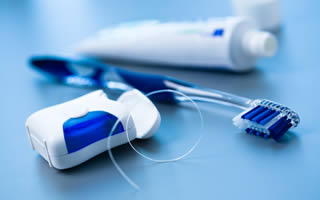
Only around one in five of us use dental floss on a daily basis, yet it is a cheap and effective way of avoiding a range of dental issues.
Do you use dental floss? We suspect that only a relatively small number of you answered that question in the affirmative. As mentioned above, only around 20% of people in the UK do this on a daily basis, if at all. Even many people who diligently brush their teeth twice a day and use mouthwash still miss out on this important part of their daily oral health care.
Why are people so reluctant to use floss though and does it really matter? These and other questions are answered in today’s blog by the team at your local Wickford dentist.
What is dental floss?
We suspect that most of you already know this, but for those that don’t, dental floss is usually bought in a small reel and consists of thin strands or material, sometimes made from nylon and other similar materials. It is often waxed to allow it to slip between the teeth more easily. Dental floss is very affordable and a quick search indicates that it probably costs somewhere in the region of £2 to £3 for a well known brand. Naturally, you can pay more or less too. You may have to experiment a little to find one that works best for you but they all fulfil a similar role.
Why should you use it?
The first rule of good oral health care is to brush your teeth well. We all know that, but few of us follow that up with the next most important thing which is flossing between the teeth. The issue with brushing is that however well we do it, there are always going to be areas where the bristles struggle to reach. This often happens between the teeth, especially if they are tightly packed or even overlap. By using floss, any small pieces of food debris and some bacteria can be removed efficiently from these difficult to reach areas. We suspect that the first time you do try it, you will be surprised at what was actually trapped there.
If you don’t use floss, then problems can often arise in these areas, namely tooth decay and gum disease. As you will know if you have read previous Cygnet Dental Wickford blogs, this can ultimately lead to tooth loss, or at least the need for invasive treatment. It makes sense then, to use this cheap and simple method in order to help prevent it.
How difficult is it to use?
One of the big myths is that flossing is difficult to do, and it is true that if you only give it a quick try, you might find this to be the case. In reality, it isn’t difficult at all with a little practice and especially once you have found the type of floss that suits you.
Rather than go through a step by step method here; using a reliable video for instruction might be better so that you can actually see it being done. Better still though is to ask Sadie, Hannah or Riya, our friendly dental hygienists to demonstrate how to do it correctly. It might take a little practice but we are sure you will soon be doing it regularly and your teeth and gums will thank you for it.
Should children floss?
This is a question that many of our Wickford parents ask us and the answer, quite simply is yes, where possible. Naturally, this is something that is very difficult for you to do when they are too young to look after their own teeth and gums but as soon as they are old enough, you should start to introduce flossing too. Young teeth are just as important as older teeth and encouraging flossing as soon as possible can only benefit their oral health. Achieving this may require a little patience and determination however!
Is it too late to start flossing?
It is never too late to introduce flossing to your regime though the sooner you start the better. You may think that because your teeth already have fillings, it is too late, but filled teeth are just as vulnerable as healthy teeth, perhaps even more so. Teeth that have been filled often have more ‘nooks and crannies’ that can lead to food becoming trapped between them. Preventing further decay may mean the difference between saving the tooth and losing it. Flossing regularly will help with this.
While flossing should be an important part of your daily oral health routine, along with brushing, You should still also make sure to see your dentist and hygienist every six months for a professional clean and to have your overall oral health monitored. If you would like to make an appointment or would like some advice about any dental related matter, including flossing, please do call the Cygnet Dental Practice on 01268 733078. We look forward to hearing from you!